24/7 emergency water response, every day of the yearIndependent licensed & insured pros · Call +1-877-637-9008
24/7 Emergency Dispatch

Basement Flooding Cleanup in Kenilworth, IL

Below-grade water rises fast when a sump pump quits or groundwater forces its way through the slab. Call Water Heater Repairer and a live dispatcher will route you to an independent, licensed and insured contractor who pumps, dries, and cleans below-grade spaces.

  • Licensed & insured independent pros
  • Pump-out and drying on one call
  • Written quote before tear-out
Licensed Basement Flooding Cleanup service in Kenilworth, IL - Water Heater Repairer
Stay off the wet floor. Kill power at the panel before stepping in if water touches outlets or appliances.
Why Call Us

Why Choose Our Specialized Basement Flooding Cleanup in Kenilworth, IL

Basements flood differently than the floors above them, because water sits against cold concrete with nowhere to drain. That changes how the cleanup gets done and how long it takes.

Insured Below-Grade Specialists

Calls are routed to licensed and insured independent contractors who handle flooded basements regularly, not just upstairs leaks. Many are IICRC-trained, so ask for credentials on arrival.

Storm-Night Dispatch

Basement calls spike the moment a big storm rolls through, so standing water near utilities gets priority. Arrival is often quick, though a regional storm can slow everyone down.

Flat-Rate Scope Up Front

The contractor writes up a flat-rate price and a removal list before tear-out starts. That paperwork is what your adjuster will ask for.

Gear for Cold, Damp Spaces

Contractors bring submersible pumps, truck-mounted extraction, and LGR dehumidifiers that keep pulling moisture in cool below-grade air. A standard home dehumidifier simply stalls out at basement temperatures.

Most basement floods trace back to one of three things: a failed sump pump, groundwater pushing through the foundation, or surface water pouring in through a window well. Each one needs a different fix after the cleanup, which is why the contractor will ask where the water came in. A wet line along the cove joint at the base of the wall usually means groundwater pressure, not a pipe.

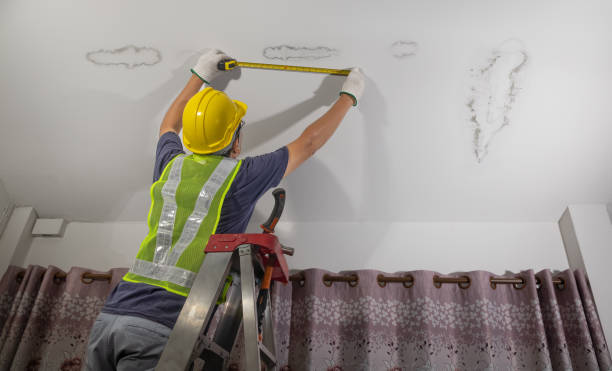
Professional Basement Flooding Cleanup technician working in Kenilworth, IL
What Gets Handled

Below-Grade Jobs the Network Handles

From the pump-out to the last dehumidifier pickup, here is what the contractors we route to typically handle.

Sump Pump Failures

Pits overflow when the float switch hangs up, the motor dies, or the power cuts out mid-storm. After the pump-out, a plumber can swap the pump or install a battery-backup or water-powered backup.

  • Pump-out and pit check
  • Backup pump options explained

Finished Basement Recovery

Carpet glued or tacked over concrete traps water underneath, and the pad acts like a sponge. The contractor cuts drywall above the waterline and checks bottom plates on the slab for moisture.

  • Carpet and pad removal
  • Flood cuts and baseboard pull

Window Well Flooding

When a well drain clogs, rain fills the well until the window gives way or leaks around the frame. A cleared drain and a fitted cover are the usual fixes once the mess is handled.

  • Water and debris removal
  • Well drain issues flagged

Seepage & Foundation Cracks

Groundwater pushes through foundation cracks and the cove joint when the soil is saturated. Powdery white efflorescence on the concrete tells you seepage is a repeat problem.

  • Entry points documented
  • Drain tile and sealing options discussed

Furnace & Water Heater Exposure

If water reached the furnace or water heater controls, leave them off until a licensed tech inspects them. The contractor can flag what got wet so you can call for that inspection.

  • Exposed appliances flagged
  • Safe restart left to licensed trades

Contents & Storage

Cardboard boxes on the floor wick water up fast and collapse, often taking photos and papers with them. Contents get moved, sorted into keep and discard, and photographed for your insurer.

  • Contents moved and sorted
  • Loss photos for insurance
How It Works

From Flooded Basement to Dry Slab

A short process, handled by people who do basements all the time.

  1. 1

    Call Dispatch

    The dispatcher checks the depth, whether water is still coming in, and whether utilities are underwater. If power is near water, we walk you through shutting the breaker safely.

  2. 2

    Rapid Mobile Arrival

    We route the job to a nearby licensed contractor carrying pumps, a truck-mount, and drying equipment. If the sump pump failed, a plumber can be sent to get it running again.

  3. 3

    Expert Assessment & Quote

    After the pump-out, the pro maps moisture in drywall, bottom plates, and the slab with meters and thermal imaging. You get a written flat-rate quote for removal and drying before tear-out starts.

  4. 4

    Resolution & Sign-Off

    Air movers and dehumidifiers run until readings reach dry standard, with moisture logged daily. The logs are yours to keep, and it is worth asking whether their work carries a written warranty.

Why Basements Take Longer to Dry

A slab soaks up water and gives it back slowly, especially in the cool air typical of a lower level. That is why contractors lean on LGR dehumidifiers and sometimes add heat to speed evaporation. Rebuilding before the slab and framing read dry is how basements end up with musty smells and mold behind new drywall.

Dispatcher tip: Water after every heavy rain usually means the drainage needs work, so ask about a backup pump and an interior French drain. Stopping the source costs less than repeating this every season.
24/7 Emergency Basement Flooding Cleanup experts in Kenilworth, IL

Water Still Rising Downstairs?

Keep out of the water, shut the breaker if you can reach it dry, and call us.

Call +1-877-637-9008
Real Calls

Stories From Recent Basement Calls

We lost power during a thunderstorm, which meant the sump pump stopped too. By the time we noticed, the whole rec room had a few inches of standing water. The contractor pumped it out, pulled the carpet and pad, cut the drywall, and a plumber put in a battery-backup pump the next day.

Kevin D.Homeowner, KenilworthSump pump failure

We had water seeping along the same wall after every heavy storm. They pointed out the white crust on the concrete and said it was groundwater pressure at the cove joint. After the drying, we put in an interior drain tile system and it has stayed dry since.

Sandra P.Homeowner, KenilworthRecurring seepage

A window well filled with leaves and rain until the window started leaking. They hauled out the soaked boxes, dried what could be saved, and documented the rest. The photo log made my claim much easier.

Brian F.Homeowner, KenilworthWindow well flood

Our basement had been finished for barely a year when water came in and soaked the new walls and flooring. The contractor took moisture readings on every wall and only cut where the meter said it was wet, so we kept more drywall than I expected. They ran big dehumidifiers for several days and gave us the daily readings when it was done.

Jasmine O.Homeowner, KenilworthFinished basement
Questions

Basement Flooding Questions We Hear

Is it safe to walk into my flooded basement?

Not if water is near outlets, cords, the furnace, or the electrical panel. Shut off power from a dry location first, or wait for the contractor or an electrician.

Why did my sump pump stop working?

Most failures come from a jammed float switch, an old motor, or losing power right when rain peaks. Adding a battery or water-powered backup keeps the pit draining if the primary quits.

Can carpet over a concrete basement floor be saved?

Carpet pad usually has to go, because it traps moisture right on the concrete. Carpet from clean water can sometimes be dried and relaid if handled quickly, but groundwater or sewage contamination means it goes too.

How long does it take to dry out a flooded basement?

Plan on several days of equipment running after the pump-out, and longer if the slab or block walls soaked up a lot. Equipment should stay until daily readings show the framing and concrete are actually dry.

What is the white powder on my basement walls?

That is efflorescence, salt left behind as water moves through the concrete and evaporates. It is a sign of ongoing seepage, so deal with drainage before finishing the space.

How do I stop my basement from flooding after every storm?

Begin outside by checking gutters, extending downspouts, and making sure soil slopes away from the walls. If water still comes in, an interior French drain with a reliable sump and backup pump is the common fix.

Service Area

Basement Flood Help Across Kenilworth

Calls go to licensed independent contractors working across Kenilworth and nearby towns. Coverage reaches zip codes like 60043.

Older homes in Kenilworth often have block or stone foundations that seep more than poured walls. In newer builds with sump systems, a failed pump is the more common story. Let the dispatcher know your foundation type and whether this has happened before.

Reliable Basement Flooding Cleanup contractor in Kenilworth, IL by Water Heater Repairer

Finished Basements

Lower-level living space, family rooms, and basement bedrooms.

Unfinished & Storage

Utility rooms, storage areas, and crawl-height spaces.

Nearby Suburbs

Surrounding towns near Kenilworth are covered by the same contractors.

Our Services in Kenilworth, IL

Call +1-877-637-9008
🟢 Techs On Duty in Kenilworth, IL Call +1-877-637-9008